Bellanca 17-30 family · 7 Viking models · 7 ancestors · every figure cited
The Bellanca Viking
Six certified models on two type certificates, one wooden wing, one fabric fuselage. Every figure here carries its source.
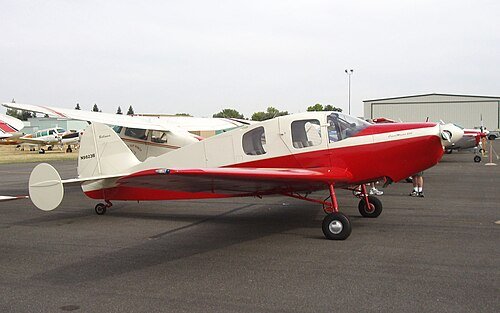


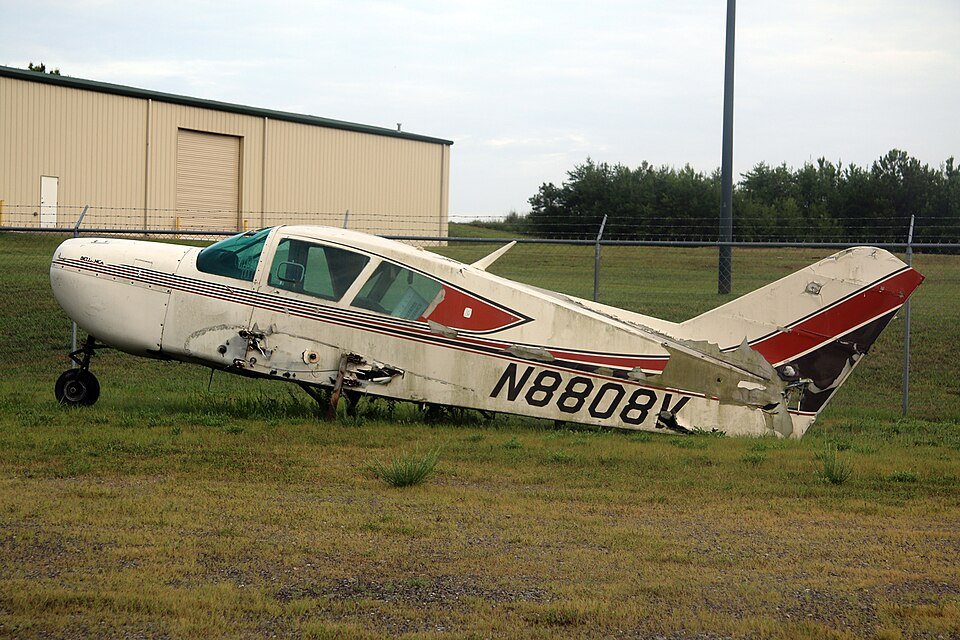
Cruisair
14-13Cruisair
14-13 (also 14-13-2, 14-13-3, 14-13-3W in FAA registry model list)candidate editor blurb pending Pre-1949 retractable taildragger ancestor; its type certificate was not read. FAA registry lists 14-13, 14-13-2, 14-13-3 and 14-13-3W under BELLANCA.
No model matches that search and filter set.
What the Viking is
The Bellanca Viking is a four-seat, single-engine, retractable-gear airplane built at Alexandria, Minnesota [15]. It was approved as the Model 17-30 on type certificate 1A3 on September 23, 1966 [9], with a Continental IO-520-D rated at 300 hp at 2850 rpm for takeoff and 285 hp at 2700 rpm continuous [9]. What sets it apart from every other 300-hp retractable of its era is its structure: the wing has two laminated Sitka spruce spars, mahogany plywood and spruce ribs, and a mahogany plywood skin covered with Dacron [6]; the fuselage is welded 4130 steel tube covered with Dacron, with a two-piece glassfiber cowling and a strut-braced steel-tube tail [6]. A finished wing weighs about 250 lb and contains about 1,800 pieces of wood [16]. This site is written for the pilot, owner, prospective buyer, restorer or mechanic who needs to know exactly which Viking is in front of them and what the documents say about it.
There are two type certificates. TC 1A3 was issued on September 26, 1949 [9] and its current revision lists the 14-19, 14-19-2, 14-19-3, 14-19-3A, 17-30, 17-31 and 17-31TC [9]. TC A18CE, certificated under FAR Part 23, was applied for on May 5, 1969 and issued on October 31, 1969 [1]; it lists the 17-30A, 17-31A and 17-31ATC [1]. The two certificates together give six Viking models: two Continental-powered (17-30, 17-30A), two normally aspirated Lycoming (17-31, 17-31A) and two turbocharged Lycoming (17-31TC, 17-31ATC), plus one designation, the 17-30ATC, that exists only as a note about a single airframe, S/N 30004 [9]. The corporation that built them was incorporated in Minnesota as Northern Aircraft, Inc. in 1955 and renamed Bellanca Aircraft Corporation in 1966 [17]; the type certificates then passed to Viking Aviation, Inc. on March 26, 1982, to Bellanca, Inc. on June 11, 1982, to Alexandria Aircraft LLC on May 30, 2002, and to Bellanca Aircraft, Inc. in March 2024 [9]. The figure usually quoted for total Viking production is 1,356 [18]; it is a secondary figure and the Timeline page explains what it does and does not count.
How to use the site. Each model page runs through the same seven sections in the same order: identity and production, exterior, interior, systems, performance, upkeep and changes. The Lineage page traces the Cruisair and Cruisemaster ancestry and the naming of the 260 series. The Timeline page holds the production ledger and the corporate chain with dates. The Upkeep page sets out the airworthiness directives, service documents and approvals as the regulator wrote them. Special Aircraft records the individual airframes that can be documented, Compare explains what can and cannot be set side by side, and Sources describes the method. Every superscript number links to the claim it supports and to the document behind it, and each claim carries one of five status labels: Primary-source verified, Secondary-source supported, Owner/builder reported, Disputed, or Not established. Where the documents disagree, the prose says so; where a fact was looked for and not found, the page says "not established" rather than filling the gap.
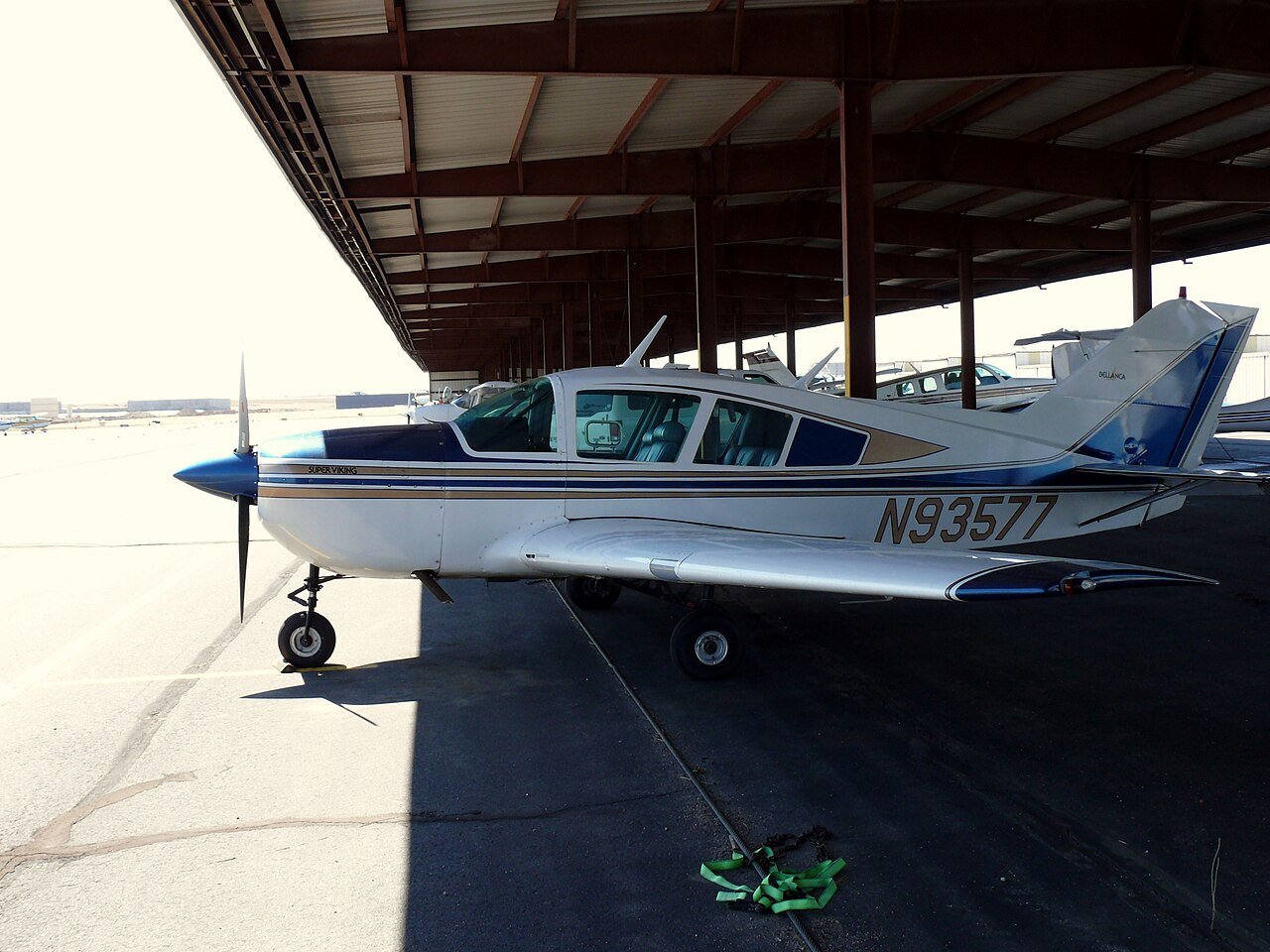
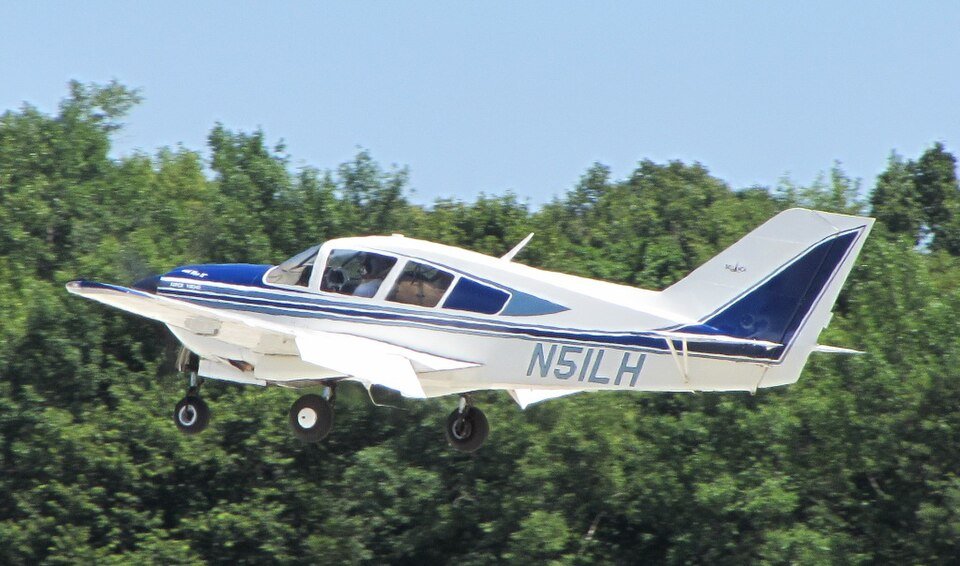
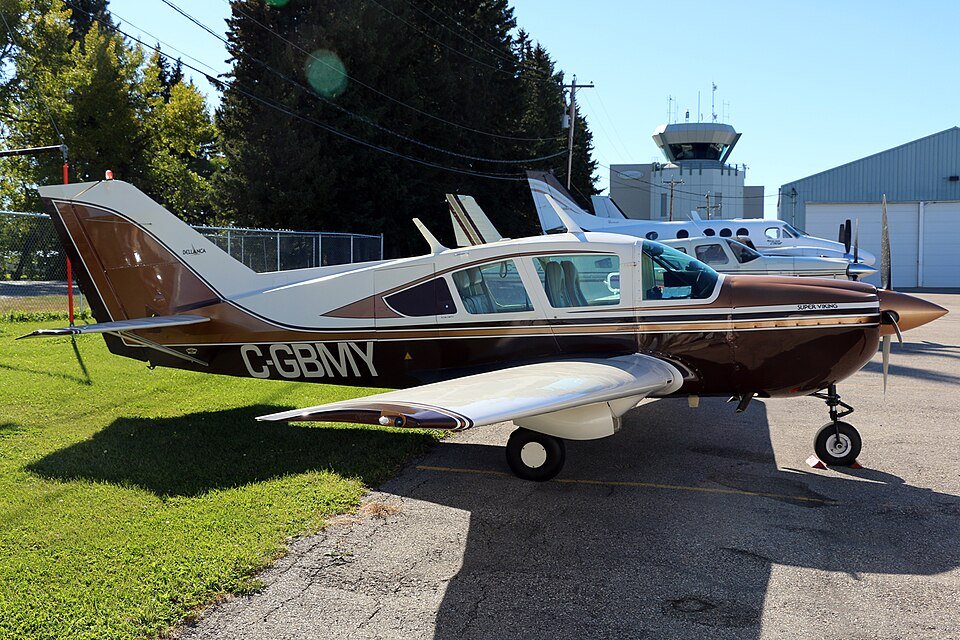
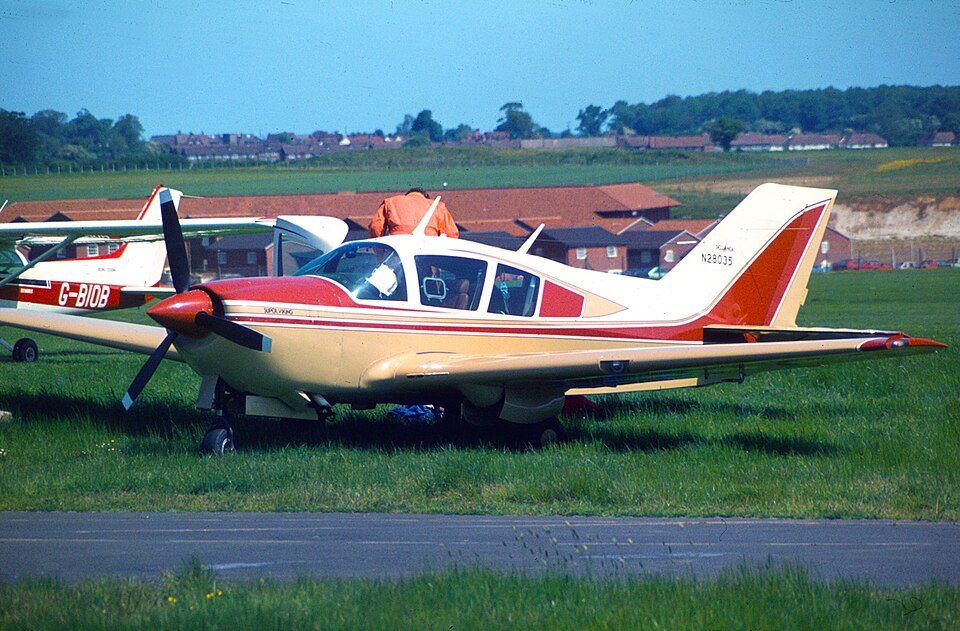
Vikings on the ramp
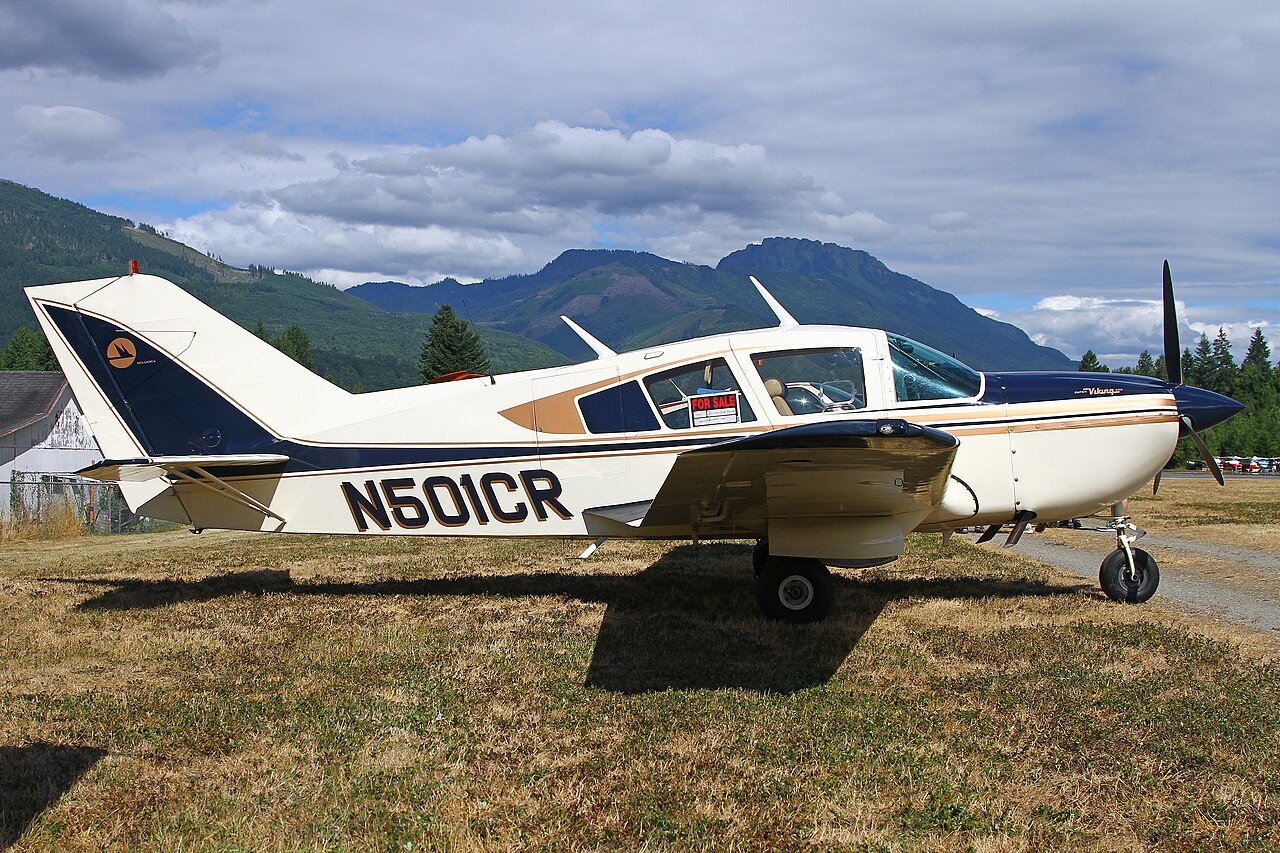
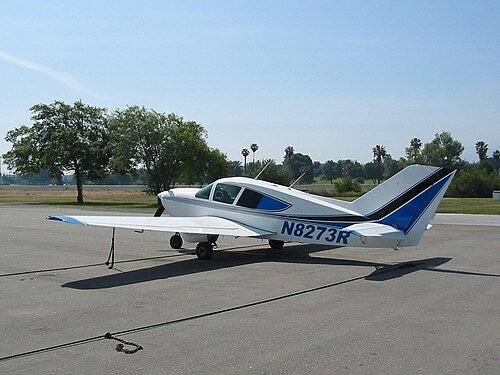
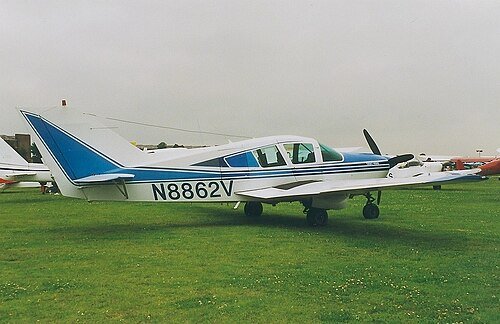
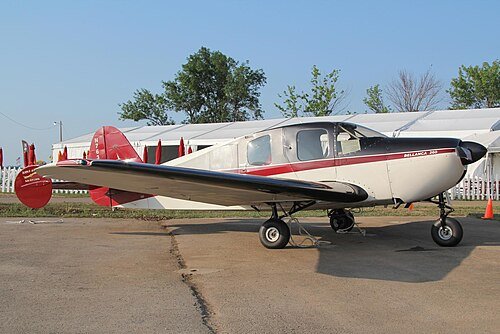
A-series Super Vikings, variant as the photographer labelled it
These photographs show A-series aircraft whose exact designation (17-30A, 17-31A or 17-31ATC) is not visible in the picture; the year of manufacture comes from the Commons category, not from the record.